Why this matters

What undergrounding can improve, and what it cannot

The case for moving lines underground is practical. So are the limits. Both belong on the same page.

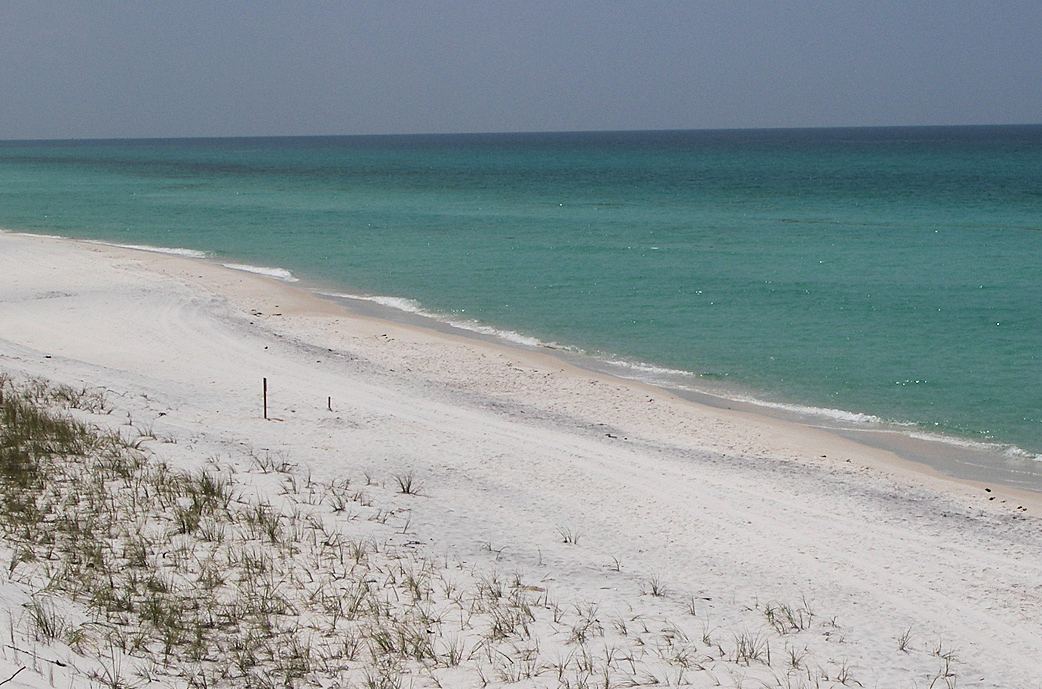
White sand and turquoise water at Grayton Beach State Park on the South Walton coast.

Storm resilience

Hurricanes and strong coastal storms knock trees and debris into overhead wires. On its own system, Florida Power & Light describes trees and vegetation hitting overhead lines as a leading cause of outages in hurricanes and severe weather, which is why its neighborhood undergrounding program exists.

FPL reports that, across its system, underground neighborhood lines performed about five to 14 times better than overhead lines during the 2024 hurricane season (Debby, Helene, and Milton), and about 50 percent better on ordinary days. That is FPL’s comparison of FPL lines. It is context where FPL serves, including much of Miramar Beach and the Inlet Beach area. It is not a result for CHELCO lines and not a forecast for Walton County.

Fewer everyday tree and wind outages

Many outages are not hurricanes. A limb in a thunderstorm, or a tree that grew into a span, can darken a street on a normal week. Putting those spans in conduit takes wind and branches out of the picture for that stretch of line.

Tree trimming still matters on the lines that stay overhead, and on the roads themselves. Underground power does not stop a tree from blocking 30A.

A clearer streetscape

Poles, crossarms, and bundled cable are visually loud on a scenic road. Removing them, after every company has left the pole, opens the view. People notice that. It is a real benefit, and it is not the same thing as storm reliability.

California spent decades funding some conversions with ratepayer work credits, often because a street was scenic or busy. A 2021 commission decision stopped new credits for that program. A 2023 decision discontinued the program going forward, while communities could still use credits they already held. Wildfire undergrounding was left to other proceedings. A Walton conversation can value appearance without pretending it is the same request as storm hardening.

Honest limits

Underground lines still fail. Water, a contractor’s backhoe, a failed splice, or a problem at the substation can all take the lights out. When the fault is buried, crews often need longer to find it. The California Public Utilities Commission says restoration times are often longer for that reason, even where underground lines are less vulnerable to wind.

Flooding is its own problem. Duke Energy Florida’s storm plan includes a program specifically to harden underground lines and equipment against storm surge, with equipment chosen to tolerate water. That is a reminder: burying a line does not make it flood-proof, and a coastal road may need that extra step.

The big lines that bring power into South Walton are a different project from the neighborhood wires along a block. Utilities in Florida have mostly aimed undergrounding programs at the branch lines that fail often, not at every wire on the system. A 2005 Florida Public Service Commission preliminary analysis put a statewide conversion of investor-owned overhead distribution in the tens of billions of dollars and treated it as too large to order all at once. That figure is old. It is useful only as a warning against “do it all now.”

Undergrounding also does not repair roofs, stop surge from entering a house, or keep a road open if it floods. It is one infrastructure choice among others.

See how a phased project would be sequenced

Sources